The Column

Top 5 This Week — Mar 17, 2026

This week’s lineup is a loud, messy study in performance, ranging from digital avatars and rubber puppets to the choreographed violence of the WWE. Butch and Sundance are the only ones here not hiding behind a blatant gimmick, even if their outlaw act feels a bit too polished. It's just a bunch of people pretending to be something else—and mostly, it’s exhausting.

01
In Theaters
Alter Ego

Depth of identity and self-exploration · Emotional potency - how gripping, tense, or edge-of-seat

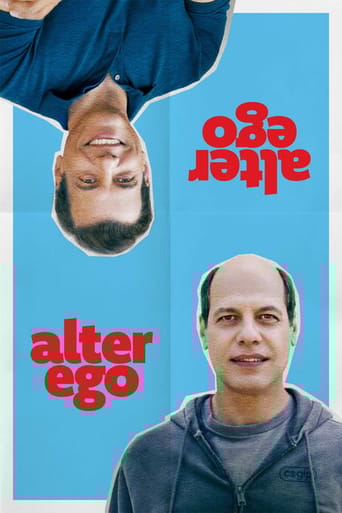
Alex stares at the full, thick head of hair on his new neighbor and sees his own social death. That’s the petty, panicked engine driving Alter Ego. Directors Nicolas Charlet and Bruno Lavaine trap us in Alex’s escalating breakdown, forcing a very particular and unusual atmosphere that feels more like a slow-onset migraine than a comedy.

The movie fumbles its own identity while hunting for Alex’s. It navigates between the serious, the light and the absurd, but the gears grind during the transitions. One minute it’s a sketch about a wig; the next, the film uses comedy to create a thriller. It’s too anxious to be funny and too silly to be scary. Laurent Lafitte plays the spiraling lead with enough sweat to keep things moving, but the script can’t decide if it wants to be a dark character study or a broad farce.

For: Fans of French absurdism who enjoy feeling vaguely unwell. Skip it: If you want a plot that picks a lane and stays there.

02
Streaming
The Dinosaurs

Presence of death/mortality themes · Genre purity vs genre-blending/subversion

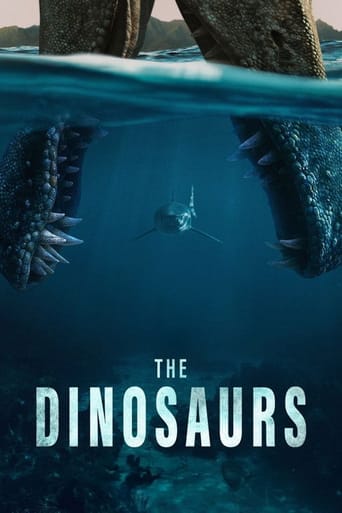
A lone Pachycephalosaurus rams its skull into a rival, only for a T-Rex to burst through the brush and bite the challenger in half with a camp flourish. It is a startling moment in a series that cannot decide if it belongs in a classroom or a grindhouse theater. Executive producer Steven Spielberg and narrator Morgan Freeman want you to think The Dinosaurs is high-minded education. It isn't. It is a high-budget monster reel where Freeman’s voice acts as a relaxation aid while creatures get eviscerated.

The CGI looks sharp, but the show rockets through an enormous amount of material without letting the ecology breathe. It prioritizes family-unfriendly violence over actual insight. You aren't really learning about the Triassic; you are watching prehistoric snuff. The series hits its highest notes when focusing on mortality, treating every hatchling like a future snack. It is effective, but hollow. Freeman’s velvet pipes cannot hide the fact that the production cares more about the kill than the creature.

For: Natural history buffs who enjoy a side of mayhem and anyone who finds Morgan Freeman’s voice medicinal. Skip it: If you want a patient look at evolution rather than a 165-million-year highlight reel of death.

03
Streaming
Butch Cassidy and the Sundance Kid

Sense of control - do you feel in command or overwhelmed? · Quality of humor - cruel vs kind-hearted

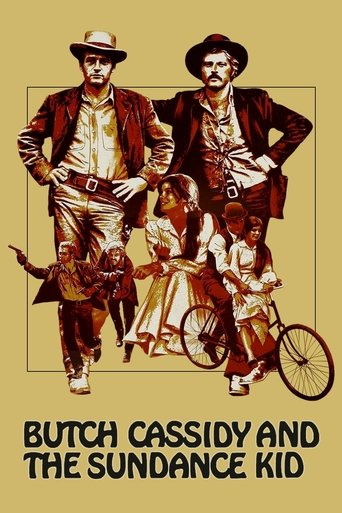
Sundance stares at a cliff edge and admits he can't swim, only for Butch to point out the fall will likely kill them anyway. That moment defines the film. It’s a Western that cares more about timing than trigger fingers. Paul Newman and Robert Redford don't just act; they vibrate with a chemistry that turned this into a progenitor of the buddy comedy.

William Goldman’s script abandons the usual frontier stoicism for relentless, witty bickering. While some find the uneven pacing a drag during the long middle chase, the star power fills the gaps. These outlaws can never catch a break, and their desperation feels surprisingly light. Conrad Hall’s camera captures it all with a sharp, sun-drenched eye, avoiding the dusty clichés of the genre. It’s an elegy for the Old West that’s too busy laughing to mourn. The final freeze-frame doesn't just end the story; it cements their myth.

Watch this if: You value sharp dialogue and effortless cool over grit.

Skip it if: You want a fast-paced shootout or outlaws who actually seem dangerous.

04
Streaming
WWE Friday Night SmackDown

Pacing and activity level - momentum and tempo · Genre purity vs genre-blending/subversion

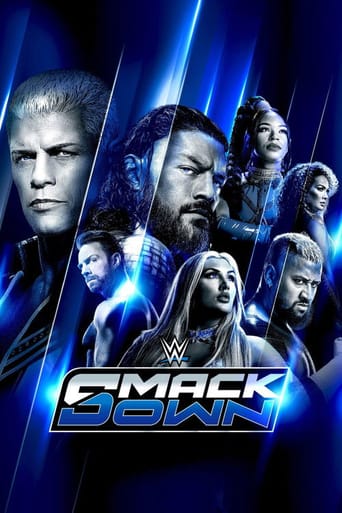
The Rock stands in the center of a giant blue oval, leaning into the mic to call a man in sequins a "roody-poo candy-ass" while the crowd erupts. This isn't high art; it's a 120-minute adrenaline shot. In 1999, SmackDown functioned as a "carbon copy of the WWF-style" that traded prestige for pure, unadulterated velocity. It lacks any sense of spiritual depth, but it doesn't care. The show prioritizes "plot twists, surprises, and cliffhangers" over logic. Every segment feels like a frantic race to the next chair shot. Compared to the modern product, the "difference in energy is night and day." It’s loud, crude, and smells like cheap pyrotechnics. A cynical creative engine drives the chaotic backstage brawls that interrupt every match. It often uses a "horror" aesthetic to achieve a specific effect, subverting expectations just to keep the channel-surfers from leaving. You don't watch for the wrestling; you watch to see who gets betrayed before the final commercial break.

Who this is for: Adrenaline junkies and fans of the Attitude Era's peak chaos. Who should skip: Purists who want clean athletic competition or a plot that makes sense.

05
Streaming
Blue Therapy

Dialogue-driven vs monologue/narration · Barrier to entry and prior knowledge needed

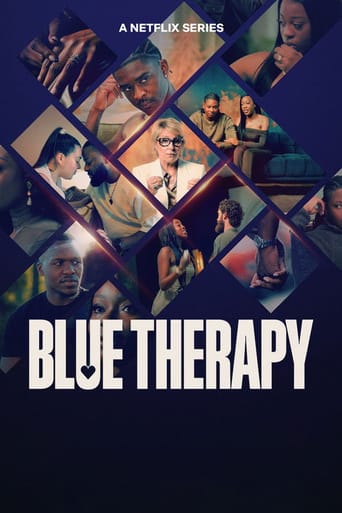
Jay leans back on the couch, eyes glazing over as Daisy explains how he dodges every adult responsibility. It’s the kind of stalemate that defines Blue Therapy. The show claims it’s "intimate, uncomfortable and emotional by design," but let’s be real. It’s a voyeuristic exercise in watching relationships implode for our entertainment.

The series "slowly unravels hidden secrets" while leaning hard into a confession-booth format. Every session feels like a countdown to a blowup. Is it scripted? One participant says yes. Does that matter? Not really. The dialogue-heavy format works because these couples actually talk to—and over—each other. It’s messy. The "loud pop reality show soundtrack" occasionally drowns out the genuine tension, but the core drama remains sharp. It isn’t about clinical breakthroughs; it’s a "case study of harmful relationship patterns" meant for public consumption.

Watch this if you live for mess and want to feel better about your own dating history. Skip it if you want to see a therapist do real work without a drum machine in the background.