The Column

Top 5 This Week — Jun 9, 2026

Between the Kabuki stages of Kokuho and the digital blood-spray of 300, there’s a shared, desperate obsession with preserving the past. It's a jagged mix of retro-future robots and Blitz-era grit that feels less like a schedule and more like a fever dream. Pure aesthetic noise, but at least it isn't boring.

01
In Theaters
Kokuho

Visual/audio style and production distinctiveness · Distinctive creative vision vs generic production

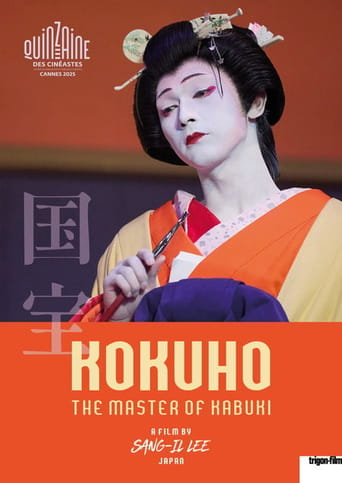
Ryo Yoshizawa’s face disappears behind layers of thick, white kabuki paint, yet his eyes suggest a man slowly suffocating under the weight of tradition. Director Sang-il Lee doesn’t just film a stage play; he builds a three-hour pressure cooker where art feels like a blood sport. The film demands you care about the underlining theme of blood or talent, pitting a yakuza-born orphan against the rigid expectations of a centuries-old craft.

It’s an intimidating beast. While it occasionally suffers from jagged lapses in narrative momentum, the sheer operatic intensity of the performance sequences keeps the air thin. Lee creates visual poetry out of a performer's isolation, showing where an actor gets his killer instincts. It’s long, loud, and utterly committed to the idea that mastery requires total self-destruction. The film succeeds because it treats the stage as a battlefield rather than a museum.

For: Patient viewers who want a high-stakes drama that treats performance with the intensity of a crime thriller. Not for: Anyone who finds three hours of stylized historical theater more like a chore than an event.
02
Streaming
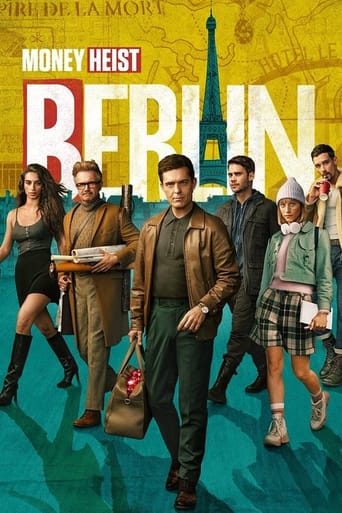
Berlin

Episode/chapter continuity · Overall emotional tone - how positive/negative the experience feels

Pedro Alonso wears a smirk like a tailored suit. In Berlin, that specific brand of smugness carries the show even when the momentum stalls. It’s a prequel that trades the original's high-stakes grit for Parisian romance and a light-hearted vibe. If Money Heist was a heart attack, this is flirty afternoon tea with a side of grand larceny. Alonso brings magnetic charisma to the lead role, but the writing softens his edges. He’s no longer the narcissistic psychopath we met in the Royal Mint; he’s a lovesick planner trapped in an average predictable plot. The production looks expensive, yet the tension feels thin. It functions as a well-crafted spin-off because Alonso remains impossible to ignore, even when the script decides he’s more Casanova than killer. The show moves fast and looks pretty, but it lacks the teeth of its predecessor.

For: Money Heist loyalists and viewers who want their crime with a heavy dose of travel-porn aesthetics. Skip: If you preferred the dark, ruthless version of this character who actually felt dangerous.

03
Streaming
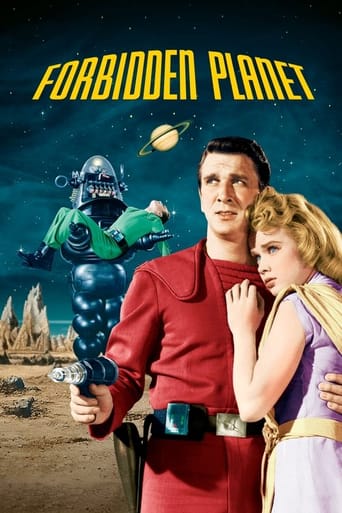
Forbidden Planet

Overall emotional tone - how positive/negative the experience feels · Sense of control - do you feel in command or overwhelmed?

The red beams of the Krell security system incinerate a tiger, but the real threat stays invisible. Forbidden Planet ditches the typical 1950s bug-eyed monsters for something nastier: the human subconscious. It’s a high-budget gamble that mostly works, trading the era’s usual camp for a "pure injection of sense of wonder."

MGM’s decision to adapt The Tempest gives the plot a backbone that most sci-fi lacks. Walter Pidgeon plays Morbius as a "Prospero figure whose learning brings danger," trapped in a laboratory that still looks massive thanks to clever matte paintings. The Bebe and Louis Barron score—a collection of "electronic tonalities"—is the MVP here, creating an atmosphere that feels truly alien. While the military cadence of the crew feels like a cardboard cutout, the central idea that our repressed desires will eventually kill us remains sharp. It acts as a "precursor of contemporary science-fiction" by proving big ideas sell better than rubber masks.

For: Mid-century design nerds and fans of psychological sci-fi. Skip it: If you need fast-paced action or cannot stand stiff, 1950s-style acting.

04
Streaming
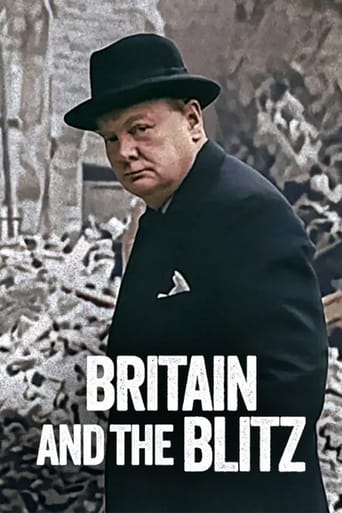
Britain and the Blitz

Presence of death/mortality themes · Emotional potency - how gripping, tense, or edge-of-seat

A shaking hand in the dark. A breath held while the floorboards rattle. Director Ella Wright treats history like a séance, using colorized archival reels to pull the 1940s into the streaming era. It looks sharp—maybe too sharp. Watching St. Paul’s Cathedral stand against a fire-red sky in 4K feels less like history and more like a high-budget simulation.

Wright avoids dry historians, instead summoning spirits from the archive through a mosaic of first-person accounts. But the polish backfires. When the footage looks this clean, it starts to feel fabricated or suspiciously like AI. By trying to make the war cinematic, Wright accidentally strips away the grit. The film lacks the depth and substance needed to move beyond a well-curated museum exhibit. It’s a stylish look at survival, but the high-definition sheen makes the horror feel strangely distant.

Watch this if you want a vivid, aesthetic trip through WWII history. Skip it if you prefer your documentaries with clear sources and raw, unpolished edges.

05
Streaming
300

Presence of death/mortality themes · Visual/audio style and production distinctiveness

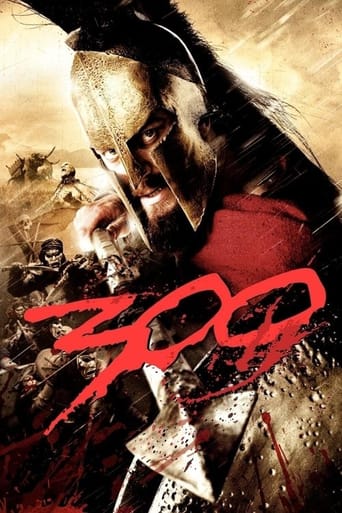
A spray of digital blood hits the screen like spilled ink against a sepia sky. Zack Snyder doesn't care about history; he wants every frame to look like a metal album cover. It’s an empty roller-coaster ride that values "painting-like" compositions over human logic. Every Spartan speaks in an aphorism, trading natural conversation for mythic barking. They aren't characters. They’re oiled-up action figures.

The film treats combat as a rhythmic dance, using aggressive slow-motion to fetishize every spear thrust. While some find a story of self-sacrifice here, the film feels more like a two-hour cologne commercial for ancient warfare. The Spartans’ growth apparently stems from an unwavering commitment to each other, but it’s hard to buy their bond when the script treats them as identical slabs of muscle. It’s a feat of art direction, but it mistakes shouting for depth.

For fans of high-contrast graphic novels and gym-motivation montages. Skip it if you want your history grounded or your heroes to have more than one personality trait.