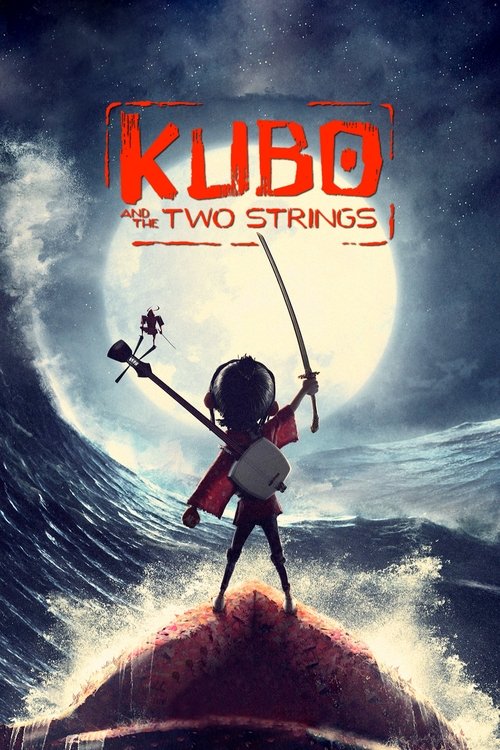
Kubo and the Two Strings
20167.6movie
People
Where to Watch
 Hulu
Hulu Peacock Premium
 HBO Max
Kubo mesmerizes the people in his village with his magical gift for spinning wild tales with origami. When he accidentally summons an evil spirit seeking vengeance, Kubo is forced to go on a quest to solve the mystery of his fallen samurai father and his mystical weaponry, as well as discover his own magical powers.
Who would love this
- ♥Viewers who appreciate meticulous animation, rich storytelling, and emotionally resonant narratives would likely adore "Kubo and the Two Strings." Fans of Japanese culture, mythology, and films that explore profound themes of family, loss, and the power of stories will find much to admire. Those who enjoy Laika's previous works like "Coraline" and "ParaNorman" will also likely connect with its unique blend of darkness and beauty.
Who might not
- ✗Audiences seeking a lighthearted, fast-paced, or purely comedic animated film might find "Kubo and the Two Strings" too somber or slow at times. Those who are put off by darker themes or find the pacing inconsistent may not connect with it. Additionally, viewers who prefer straightforward, easily digestible plots might find its thematic complexity and symbolic depth overwhelming.