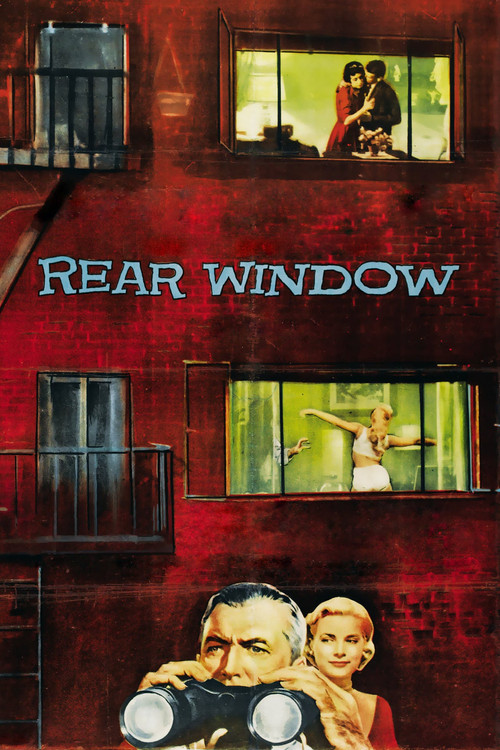
Rear Window
19548.3movie
People
Where to Watch
 YouTube TV
A wheelchair-bound photographer spies on his neighbors from his apartment window and becomes convinced one of them has committed murder.
Who would love this
- ♥Film enthusiasts and cinephiles who appreciate masterful direction, innovative cinematography, and intricate storytelling.
- ♥Fans of suspense and psychological thrillers who enjoy a slow-burn build-up of tension.
- ♥Those interested in thematic depth, particularly explorations of voyeurism, ethics, and human nature.
- ♥Viewers who appreciate character-driven narratives with complex relationships and moral ambiguity.
Who might not
- ✗Audiences seeking constant action and fast-paced plots might find the deliberate pacing too slow.
- ✗Viewers who prefer straightforward narratives with clear heroes and villains may be put off by the moral complexities.
- ✗Those uncomfortable with themes of voyeurism and potential violence might find certain aspects unsettling.